

Understanding Off-the-Road Tire Terminology
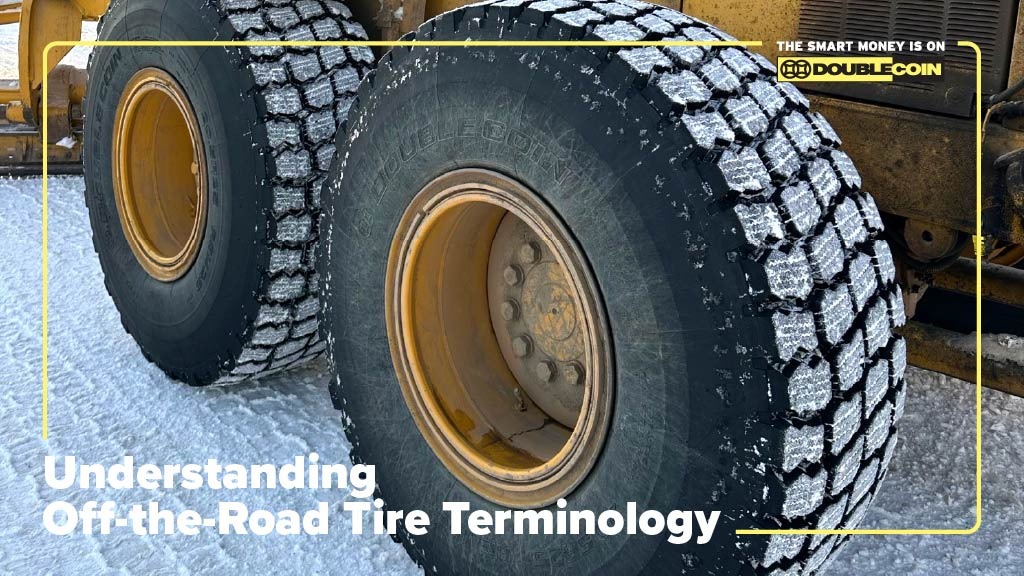
If you’re new to the world of Off-the-Road (OTR) tires, you’ve probably heard terms like L3 tread, ply rating, sidewall protection, or retreadability thrown around like everyday language. For many, OTR tire terminology can feel like learning an entirely new language. Understanding the terminology helps equipment owners, fleet managers, operators, and operations managers make smarter decisions about tire selection, maintenance, and overall operating costs. Here, we break down some of the most common OTR tire terms.
Tire Design Codes: E3, L3, L5 and More
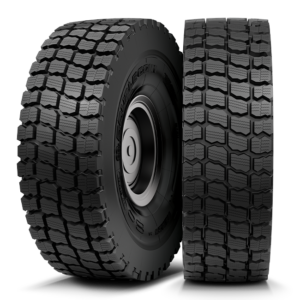
The REM-2S is an all-weather/mud and snow (M+S) radial OTR tire designed with a wide, non-directional tread pattern for increased traction and year-round performance, especially in snow and ice conditions.
You’ll often see OTR tires labeled with codes like E3, L3, or L5. These codes identify the tire’s application and tread depth.
The Letter = Equipment Type
E = Earthmover
L = Loader/Dozer
G = Grader
C = Compactor
The Number = Tread Depth/Service Type
2 = Traction
3 = Rock/standard depth
4 = Deep tread
5 = Extra-deep tread
For example:
L3 tires are common loader tires with standard tread depth
L5 tires feature extra-deep tread for severe applications and maximum wear
See: REM-2S, REM-10, REM-2, REM-9
Load Capacity
Load capacity refers to the maximum weight a tire can safely carry at a specified inflation pressure. Choosing a tire with the proper load capacity is essential because overloaded tires can lead to:
Excessive heat buildup
Premature wear
Structural failure
Reduced service life
Ply Rating
A ply rating indicates the tire’s strength and load-carrying capability. Historically, tires were made with multiple fabric plies, but modern tires use advanced materials that provide higher strength with fewer actual layers. Today, ply rating is more of a performance classification.
In general:
Higher ply rating = greater durability and load capacity
Lower ply rating = lighter-duty applications
Tire Compound
The compound is the rubber formulation used in the tire. Different compounds are designed for different priorities, such as:
Heat resistance
Cut resistance
Long wear
Flexibility
Traction
For example:
A quarry tire may prioritize cut resistance
A loader tire may prioritize heat control and wear life
See: REM-12, REM-9, REM-3, REM-6
Tread Pattern
The tread pattern refers to the design of the tire’s surface that contacts the ground. Different tread patterns are engineered for different applications and terrain types.
Common OTR Tread Types
Block Pattern
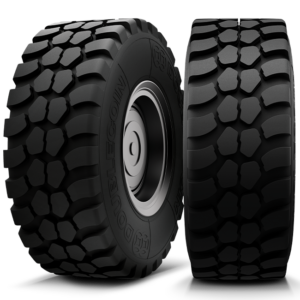
The REM-10 is engineered as a versatile OTR solution for both loader and haulage applications. Built with a deeper E3+/L3+ tread depth and reinforced center-block pattern, the REM-10 delivers long tread life, stability, and consistent wear.
Heavy-duty blocks designed to resist cuts and impacts while maintaining traction.
Best for:
Rock applications
Harsh quarry environments
See: REM-10, REM-2S
Lug Tread
Large, aggressive tread blocks designed for traction in dirt, mud, gravel, and loose terrain.
Best for:
Construction sites
Quarry work
Soft surfaces
See: REM-6, REM-12
Rib Tread
Straighter tread lines designed for stability and smoother operation.
Best for:
Hard-packed surfaces
Industrial applications
See: REM-9
Siping
Thin slits cut into a tire’s tread blocks to increase traction, particularly on snow, ice, and wet surfaces
See: REM-2S
Traction
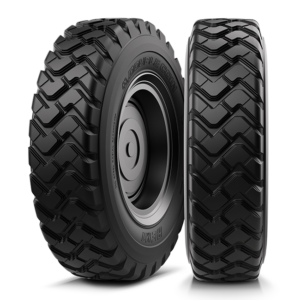
Double Coin engineered this REM-1 radial Off-The-Road tire with a multi-purpose tread design for exceptional traction and even wear.
Traction is the tire’s ability to grip the surface beneath it. In OTR applications, traction is critical for:
Climbing grades
Maintaining control on loose terrain
Preventing wheel slip
Improving machine efficiency
Deeper tread and aggressive patterns typically improve traction in off-road conditions.
See: REM-1, REM-12
Footprint
The footprint is the portion of the tire that contacts the ground. A properly designed footprint helps:
Distribute weight evenly
Improve traction
Reduce uneven wear
Enhance stability
See: REM-1
Sidewall Protection
The sidewall is the outer portion of the tire between the tread and the bead. In OTR environments, sidewalls are constantly exposed to:
Sharp rocks
Curbs
Debris
Impacts
A reinforced sidewall helps reduce:
Cuts
Punctures
Impact damagev
Downtime
Heat Resistance
Heat is one of the biggest enemies of OTR tires. Heavy loads, long haul cycles, and high speeds generate heat inside the tire. Excessive heat can shorten tire life and damage internal components.
Heat-resistant compounds help:
Maintain durability
Extend tire life
Improve reliability in demanding
operations
Cut Resistance
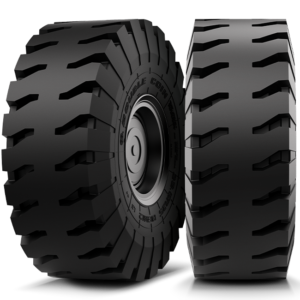
The Double Coin REM-12 (L5) is a mining loading tire built with special cut/chip resistant compounds to withstand severe rock mining applications and promote long-term retreadability.
Cut resistance measures how well a tire can withstand sharp rocks and debris without tearing or chunking.
This is especially important in:
Quarries
Demolition sites
Mining operations
A tire designed for cut resistance can help reduce costly downtime and extend casing life.
See: REM-12
Why OTR Tire Terminology Matters
Understanding terms like tread pattern, ply rating, load capacity, heat resistance, and cut resistance better matches a tire to the machine, terrain, and workload. Understanding OTR tire terminology makes it easier to:
Choose the right tire for the application
Improve uptime
Reduce operating costs
Increase tire life
Communicate more effectively with dealers and service teams
To learn more or find the right Double Coin OTR for your job site, find a Double Coin dealer near you.